

France Reports 3.7% YoY Tax Revenue Growth in H1 2026
France's DGFiP reports €275.4 billion in tax revenue for H1 2026, a 3.7% year-over-year increase, providing a baseline for fiscal strategy and consolidation targets.
3 min read
EncryptInvoice News
Articles for France
This hub covers e-invoicing and e-reporting compliance in France, including the Chorus Pro platform for public-sector transactions, the phased mandate for B2B electronic invoicing, the dual-track e-reporting obligations for cross-border and B2C flows, and the role of certified Partner Dematerialization Platforms (PDPs). Practical guidance helps businesses of all sizes prepare for each rollout phase.
France's DGFiP reports €275.4 billion in tax revenue for H1 2026, a 3.7% year-over-year increase, providing a baseline for fiscal strategy and consolidation targets.

France's DGFiP announced emergency fiscal support for individuals and businesses affected by summer 2026 wildfires, including payment deferrals, property tax reductions, and a framework for charitable donations. These measures provide short-term cash-flow relief during recovery.

France has extended the C3IV corporate tax credit to 31 December 2028, giving businesses more time to plan green industrial investments. This standalone French fiscal measure supports industrial decarbonization and green transition, distinct from broader EU tax digitization policies.

France's DGFiP has released a comparative study of local direct tax rates for 2026 against 2025, covering communes and intercommunal bodies (EPCI à fiscalité propre). The study provides a baseline for assessing sub-national fiscal policy choices and tax rate adjustments.

France's DGFiP has opened an online correction service for 2025 income tax declarations, operational until November 30, 2026. The service allows amendments to most errors but excludes family status and address changes, which require separate procedures.

France's e-invoicing mandate took effect 1 September 2026, requiring all VAT-liable enterprises to receive electronic invoices. While 66% had designated compliant platforms by launch, 34% remained unprepared. A grace period through end-2026 provides time for compliance without penalties.

France's e-invoicing mandate launched September 1, 2026, with only 58% compliance among VAT-declaring enterprises. Belgium's 2026 implementation achieved 98% adoption without aggressive sanctions, offering a governance model. SMEs and microenterprises face a September 1, 2027 deadline, with cost and security concerns potentially hindering compliance.

France's mandatory e-invoicing regime, enforced since September 1, 2026, concentrates all B2B transaction data in 135 state-approved platforms, raising significant cybersecurity concerns as the country faces concurrent cyberattacks against state institutions.

France's mandatory e-invoicing regime faces significant compliance challenges among small and micro-enterprises due to cost barriers, a failed promise of a free public platform, and a data breach that eroded taxpayer trust. The government has granted a penalty amnesty for 2026, effectively making the September 1 deadline a soft target.
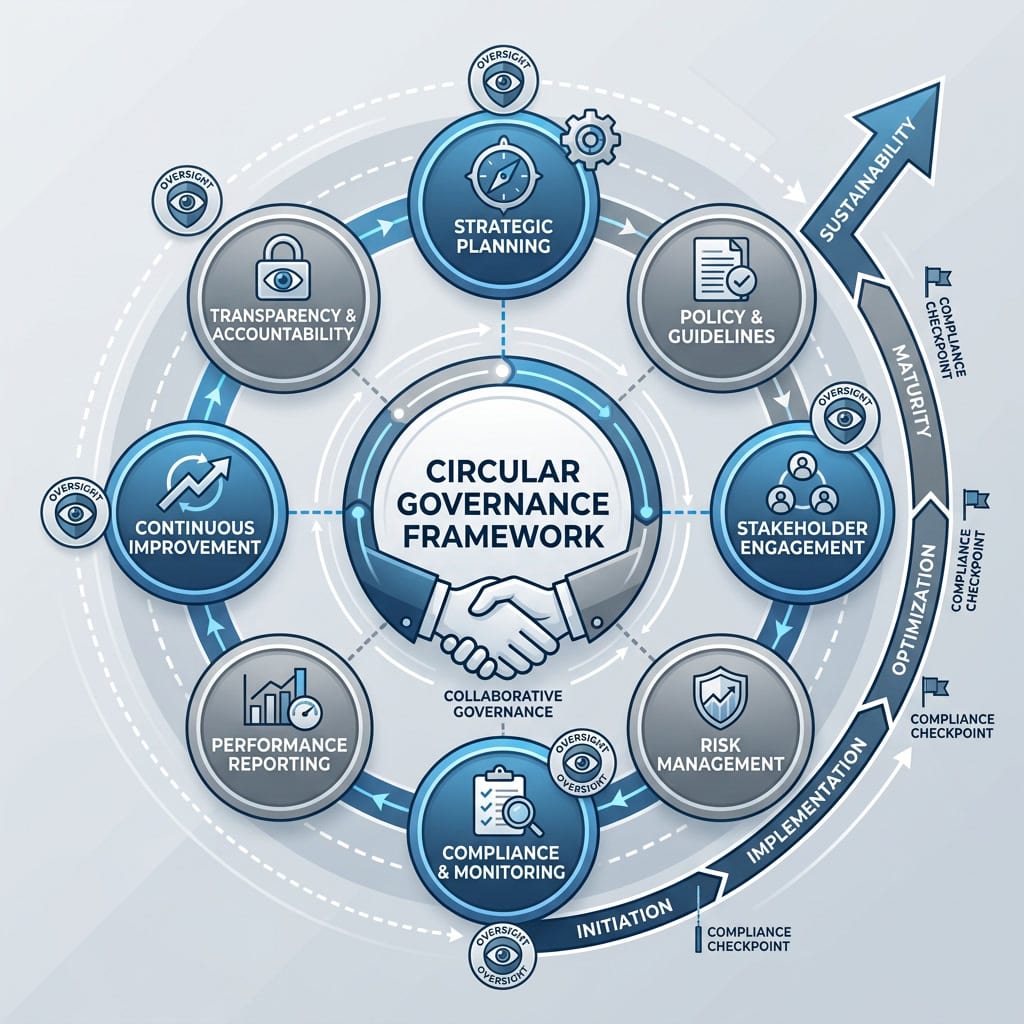
France's e-invoicing reform has entered post-launch governance phase on September 1, 2026. An oversight committee led by Minister David Amiel will prepare for the 2027 SME emission mandate. No sanctions apply during 2026, and about two-thirds of French enterprises have adopted state-approved platforms.

France's e-invoicing mandate launched September 1, 2026, with a grace period through 2027 and no immediate penalties. Only 66% of VAT-liable enterprises connected to approved platforms by launch, leaving 1.36 million firms outside the system. Small businesses face disproportionate costs and insufficient support.

France's e-invoicing mandate effective September 1, 2026 requires all VAT-liable firms to receive electronic invoices immediately, with large/medium enterprises emitting them now and SMEs/micro-enterprises complying by September 1, 2027. The decentralized multi-platform model aims toward EU-wide harmonization under the ViDA directive.