Belgium and Panama Collaborate on Customs Scanning Technology
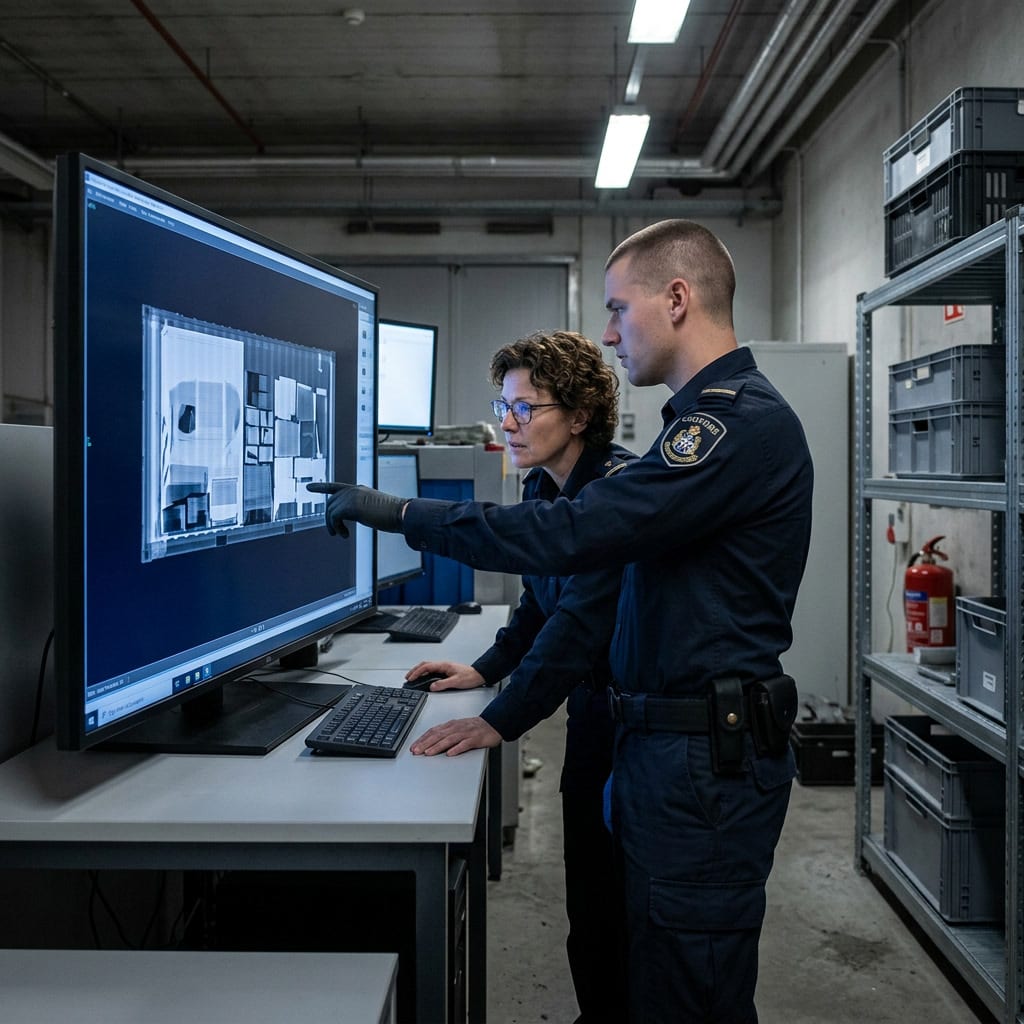
Belgium's General Administration of Customs and Excise (AGD&A) conducted its first bilateral training initiative in Latin America, sending experts to Panama City from 14–18 September 2026 to train Panamanian customs officers in scanner-image analysis.
Key takeaways
- Belgium's AGD&A conducted its first bilateral training initiative in Latin America, sending experts to Panama City from 14–18 September 2026.
- The training focused on interpreting scanner imagery to detect drug concealment, aligning with both countries' strategic interests.
- Panama's customs authority aims to scan 100% of exports, while Belgium's Antwerp port targets scanning all risk-flagged containers.
Belgium and Panama Collaborate on Customs Scanning Technology
Belgium's General Administration of Customs and Excise (AGD&A) conducted its first bilateral training initiative in Latin America, sending experts to Panama City from 14–18 September 2026 to train Panamanian customs officers in scanner-image analysis.
The training focused on interpreting scanner imagery to detect drug concealment, aligning with both countries' strategic interests in combating transnational drug trafficking.
Context
The initiative marks a novel approach to customs cooperation, focusing on the transfer of scanning technology and expertise across jurisdictions. It is positioned at the nexus of two critical global trade chokepoints: Europe's second-largest container port, Antwerp, and the Panama Canal corridor. The training was organized at Panama's request and hosted by the National Customs Authority of Panama (ANA). Eighteen participants attended, including 17 Panamanian customs officers and one representative from SENAN, Panama's national security service.
This collaboration underscores the growing importance of customs digitization and scanning technology in global trade security. The partnership is framed as mutually beneficial, with Panama gaining technical capacity to enhance its customs operations and Belgium advancing its federal priority of disrupting drug trafficking networks that exploit Antwerp's container flows.
What's Changing
The bilateral training initiative represents a significant shift in customs cooperation, emphasizing the direct transfer of scanning technology and expertise. Panama's customs authority aims to scan 100% of exports, while Belgium's Antwerp port targets scanning all risk-flagged containers. This initiative aligns with broader international customs cooperation objectives, highlighting the strategic importance of customs digitization in combating illicit trade.
The training focused on practical skills for interpreting scanner imagery, a critical component in detecting drug concealment and other illicit activities. The initiative was announced on 24 September 2026 via SPF Finances, the Belgian Federal Public Service Finance. This marks the first time Belgian customs has deployed its own specialists abroad to a Latin American counterpart, setting a precedent for future bilateral cooperation.
Implications for Global Trade Security
The collaboration between Belgium and Panama underscores the growing importance of customs digitization in global trade security. By enhancing Panama's technical capacity to interpret scanner imagery, the initiative aims to strengthen the country's ability to detect and intercept illicit shipments. This is particularly significant given Panama's role as a key transit point for global maritime trade through the Panama Canal.
For Belgium, the initiative aligns with its federal priority of disrupting drug trafficking networks that exploit Antwerp's container flows. The port of Antwerp, a well-documented entry point for cocaine shipments, stands to benefit from enhanced scanning capabilities and international cooperation. The initiative also sets a precedent for future bilateral customs cooperation, highlighting the strategic importance of transferring scanning technology and expertise across jurisdictions.
Outlook
The successful implementation of this training initiative paves the way for further bilateral and international customs cooperation. Future initiatives could focus on expanding scanning technology capabilities, sharing best practices, and enhancing joint operations to combat illicit trade. The initiative also highlights the need for continued investment in customs digitization and technological advancements to address evolving trade security challenges.
As global trade volumes continue to grow, the role of customs authorities in ensuring secure and efficient trade flows becomes increasingly critical. The collaboration between Belgium and Panama serves as a model for other countries looking to enhance their customs operations through international partnerships.
Frequently asked questions
- What was the purpose of the bilateral training initiative between Belgium and Panama?
- The purpose of the training was to enhance Panama's technical capacity in interpreting scanner imagery to detect drug concealment and other illicit activities, aligning with both countries' strategic interests in combating transnational drug trafficking.
- How does this initiative benefit Belgium?
- The initiative advances Belgium's federal priority of disrupting drug trafficking networks that exploit Antwerp's container flows, enhancing the port's scanning capabilities and international cooperation.
- What is the significance of this training for global trade security?
- The collaboration underscores the growing importance of customs digitization in global trade security, setting a precedent for future bilateral cooperation and highlighting the strategic importance of transferring scanning technology and expertise across jurisdictions.
- Who participated in the training initiative?
- Eighteen participants attended, including 17 Panamanian customs officers and one representative from SENAN, Panama's national security service.
- What are the future implications of this initiative?
- The successful implementation of this training initiative paves the way for further bilateral and international customs cooperation, focusing on expanding scanning technology capabilities, sharing best practices, and enhancing joint operations to combat illicit trade.